
The Bitfinex Securities Latin America Market Inclusion Report

Executive summary
Latin America boasts considerable economic and entrepreneurial potential, but its capital markets still struggle to connect that potential efficiently with capital.
In this, the inaugural Bitfinex Securities Latin America Market Inclusion Report, our analysis identifies the central problem as what we call “liquidity latency” — the drag created by high costs, regulatory complexity, shallow domestic markets and uneven investor access that slows the movement of capital between businesses and investors.
One of the clearest findings is that market depth alone does not determine how easily capital can be raised. Larger markets may offer greater liquidity but impose greater bureaucratic, regulatory or tax friction. Smaller markets, on the other hand, may be easier to navigate but lack the depth required for larger raises. Access to international investors therefore is critical, yet that access can itself be constrained by overly-burdonsome registration requirements, market infrastructure, foreign-exchange rules and information gaps.
What Drives Latin America's 'Liquidity Latency'
Concentrated banking
Before the emergence of alternative and nonbank financial services (fintechs) companies in the last five years, just five banks¹ controlled 70% of bank accounts² in Latin America's main markets.

High fees
Such monopolisation contributed to the world's highest banking fees³ — around 17% — stifling both innovation and capital flow.

Limited capital market depth
The region suffers from severe underfunding of entrepreneurship. Latin America, with over 600 million people, boasts less than 50 unicorns4, compared to over 1,200 in the United States, which has less than half the population.

Bureaucratic and regulatory hurdles
Many major Latin American economies rank poorly on the World Bank's Ease of Doing Business index, with reputations for bureaucratic and regulatory complexities that disincentivise listings and investment.

Underdeveloped investor ecosystem
Many in Latin America do not, or cannot, engage in financial investment opportunities. Less than 2% of Colombia's population are active stock market investors, and 68% of Latin Americans lack formal financial education.⁵ There's also a heavy institutional bias, with retail investors in Peru paying eleven times more in fees than institutional investors for the same stock.

High startup costs
Raising US$30–$50 million can incur average fees of 7%⁶, often higher due to dollar-denominated advisory services and significant pre-issue costs. This added hurdle, combined with regulatory complexity and low liquidity, strongly deters new issuances.

The consequences go beyond individual transactions. For issuers, high costs, limited liquidity and regulatory complexity can make public-market financing disproportionately difficult, particularly for smaller companies. MSMEs make up the overwhelming majority of businesses in Latin America, yet their capacity to scale remains constrained by limited access to capital. For investors, the problem is not only low participation but unequal access to information, infrastructure and pricing.
Fundamentally, this report argues that tokenisation can address several of these structural frictions by changing the infrastructure through which securities are issued, owned and settled.
Tokenised securities can reduce certain intermediary layers and costs, accelerate settlement, enable fractional ownership and 24/7 trading, improve transparency and make it easier for issuers to reach investors beyond their domestic markets.
El Salvador provides the clearest live example. Under its Digital Assets Issuance Law, once a complete application has been submitted, the regulator must issue a decision within 20 business days. On Bitfinex Securities, primary capital-raising fees are success-based, beginning at 4% on the first US$20 million raised and falling on larger tranches, while the framework provides access to an international investor base. That matters because many of the markets examined in this report combine high issuance costs with limited domestic liquidity.
An update to this edition published in May 2026 also examines Venezuela, where many of the same barriers appear acutely in the form of limited market depth, high structuring costs, operational and regulatory gaps, weak investor confidence and restricted access to international capital. At the same time, the report identifies productive assets — particularly in energy and natural resources — as potential foundations for tokenised financing structures that could connect local projects with a broader pool of capital.
Tokenisation itself is not a substitute for sound regulation, credible underlying assets, investor confidence or functioning institutions. What it can do, however, is provide a more efficient financial architecture through which many of the costs, delays and access barriers identified in this report can be reduced.
The opportunity is to move from financial inclusion to market inclusion, enabling more businesses to reach capital, more investors to access opportunities and capital itself to move between the two with significantly less friction.
The Bitfinex Securities Latin America Market Inclusion Report
Raising capital in Latin America - the realities
Digital banking has transformed how Latin Americans spend and save. Raising capital is another matter. Drawing on interviews with fund-raisers and market experts across the region, this chapter sets out what a company actually faces when it tries to list: fees of around 7% of the amount raised, and bureaucracy that deters many from trying at all.

The rise of digital banking across Latin America has been well-documented. Particularly, during the COVID restrictions when - according to data from Mastercard7 - over 40 million Latin Americans were financially ‘included’ via mobile phones during the first five months of the crisis. Technology was not only delivering an invaluable, immediate financial lifeline, it was also ensuring the participation of millions of citizens in the formal banking system, in many cases for the first time.
On a broader level, e-commerce has now become a ‘default’ option for consumers whether they are purchasing essentials or other goods. According to the same research (conducted in October 2020), the imposition of confinement across various countries in Latin America corresponded to a (near) doubling of e-commerce activity: from 45% penetration to 83% at its peak.
Today, over 65% of the region’s banks allow customers to open accounts entirely digitally, e-commerce sales are set to surpass US$769 billion in 2025 (21% growth YoY versus 2024),8 and Brazil’s PIX instant payment system extends to over 60 countries. Significantly, according to data from Mastercard, 58% of Latin Americans currently possess a credit card, while three out of ten have access to other forms of credit such as loans, insurance or investment products.
However, the dynamism evident across the region’s consumer segment has remained notably absent from the capital markets sector. The lack of innovative or alternative financing options for businesses reduces economic activity and increases the risk for investors, leading to lower credit ratings and - in turn - higher capital costs for businesses. This is particularly the case in markets where high interest rates (and a constant and real concern regarding inflation) have become normalised. In such countries, the challenge for companies to raise capital becomes acute, as they struggle to compete with the appealing double-digit returns offered by banks. This makes attracting investment particularly difficult.
Our research reveals both structural and cyclical barriers facing potential fund-raising activity from low level of awareness and demand from investors (limiting the liquidity pool), to regulatory uncertainty. See box
The Real Challenges and Barriers Facing Fund Raisers in Latin America’s Capital Markets
The Bitfinex Securities Latin America Market Inclusion Report
Internationalising the fundraising process
While there are of course nuances and distinctions between different countries in the region, a common theme is access to foreign investors, and their ability to participate in new offerings. Such participation is crucial - particularly for new listings - to ensure credibility for the offering, ensure the international levels of scrutiny and compliance, and demonstrate the opportunities available.
Where foreign investors have been able to participate in local capital markets, the results have been positive, and removing frictions through tokenisation could positively influence this trend.
In Chile, for example, the fintech sector (particularly payments, remittances and cross-border payment platforms) has been particularly attractive to international investors. According to a report by finteChile,9 in 2023 there were 78 foreign fintechs operating in the country, a figure which had nearly doubled (137) by 2025 This is a clear sign that cultural, institutional and regulatory barriers are falling - in one sector, at least.10
Number of foreign fintech companies operating in Chile
45 of them focused on payments
The Bitfinex Securities Latin America Market Inclusion Report

Introduction
Latin America has significant economic potential. The region is rich in commodities and human capital, with a large entrepreneurial base and increasingly sophisticated digital economy. Yet its ability to translate those advantages into investment and business growth remains constrained by persistent frictions in the way capital is raised, allocated and accessed.
Some of those constraints are macroeconomic. Persistent inflation and high interest rates have historically raised the cost of capital and made investment in businesses and start-ups less attractive. Bureaucratic and regulatory complexity can add further costs and delays.
Others are rooted in the structure of the financial system itself. Before the emergence of fintech challengers such as Nubank, five banks controlled around 70% of bank accounts across many of Latin America’s principal markets. Banking fees remain high by international standards, while central banks have historically had understandable reasons to prioritise macroeconomic stability following the inflationary crises of previous decades. The cumulative effect, however, has been a financial system in which capital does not always move easily to the businesses and investors able to put it to productive use.
The Bitfinex Securities Latin America Market Inclusion Report
The consequences of Latin America's liquidity latency
We describe this problem as “liquidity latency”, i.e. the inability of capital to flow between markets, businesses and investors without significant friction.
Its consequences can be seen on both sides of the market. Businesses can face substantial costs and lengthy processes when seeking capital, particularly through public markets. Investors, meanwhile, may encounter limited opportunities, high transaction costs or unequal access to the same investments and pricing available to larger institutions.
The result is not simply less efficient capital markets. It can also mean fewer opportunities for companies to grow and for individuals to participate in that growth.
This report therefore asks a series of related questions. What barriers do businesses face when attempting to raise capital in Latin America’s public markets? How do those barriers differ between countries? What prevents a broader range of investors from participating? And could alternative market structures reduce some of that friction?
To examine those questions, the report looks specifically at the experience of a company seeking to raise US$30–50 million across the region’s public markets. It considers both the issuer’s perspective and that of the potential private investor, recognising that individual investors do not always have access to the same opportunities or pricing as their institutional counterparts.
Our research is complemented by interviews with local analysts, lawyers, stockbrokers, bankers and other professionals involved in capital raising across the markets examined. Their perspectives provide first-hand context on the financial, regulatory and operational barriers faced by issuers and investors, and help explain why those barriers differ substantially from one market to another.
The Bitfinex Securities Latin America Market Inclusion Report
Market inclusion
The report also considers market inclusion more broadly, including whether particular demographic groups remain under-represented in investment and entrepreneurship, and what that means for business growth and access to opportunity.
Financial inclusion has transformed access to basic financial services across Latin America. But having access to a bank account or digital payment system is not the same as having meaningful access to capital markets.
This report therefore focuses on what we call market inclusion: making financial markets more accessible to businesses seeking capital and to investors seeking opportunities
For issuers, that means reducing unnecessary barriers to raising capital and broadening the pool of investors they can reach. For investors, it means improving access to opportunities, infrastructure and markets that have historically been easier for institutions or wealthy investors to access.
Tokenisation is particularly relevant in this context because it changes the infrastructure through which securities can be issued, owned, traded and settled. Rather than simply digitising an existing instrument, tokenised markets can potentially reduce intermediary layers, widen distribution and create more direct connections between issuers and investors.
The report examines El Salvador as an important case study in how a purpose-built regulatory framework for digital assets can be used to support tokenised capital raising and broaden investor access. The experience provides a practical counterpoint to the barriers identified across the region’s traditional capital markets.
This updated edition also adds Venezuela, examining a market in which limited depth, high costs and restricted access to international capital make the question of alternative financial infrastructure particularly relevant. The chapter considers whether tokenisation could help connect productive local assets with a broader pool of investors and capital.
The broader question running through the report is therefore not simply whether Latin America can bring more people into the financial system. It is whether its capital markets can become more effective at connecting those who need capital with those able to provide it.
Efficient capital allocation is more than a technical feature of well-functioning markets. It determines which companies can grow, which ideas receive financing and who is able to participate in the opportunities that growth creates.
Moving from financial inclusion to market inclusion is therefore both an economic opportunity and a natural next step in the region’s development.
The Bitfinex Securities Latin America Market Inclusion Report
Bureaucracy beats liquidity
But barriers continue to be prevalent in other markets where specialist knowledge and experience can be in short supply. TMF Group, a provider of administrative services to the Brazilian market, highlights the challenges facing potential fund-raisers in terms of navigating various levels of government and administration, constantly ‘evolving’ regulations, as well as complexities in the tax system causing delays in listings and increasing costs.11
In effect, the benefits of having a large market and liquidity pool - such as Brazil - can be offset by the complexity of the process.12 While smaller markets such as Peru and Colombia may enjoy lower recognition, access and liquidity than Brazil or Mexico, the fund-raising process is potentially smoother and less expensive.
These considerations are almost unique to the region, as Eric Paniagua, founder of Argentina-based Dekadrak Venture Capital, explains:


“The most difficult thing is precisely to actually participate (in the offering). I think that all the bureaucratic part involved in getting a public company makes many companies defer or desist from this activity. It seems to me that the most complex thing when it comes to launching and promoting an offering is actually regulatory approval in terms of reputation and compliance...” 13
Eric Paniagua Founder of Argentina-based Dekadrak Venture Capital
This is a view shared by Martín Mazza, a Director at MM Investments, who specialises in the Argentine market. He says that while the complexity and cost of the regulatory process required by the National Securities Commission (CNV), as well as the authorised markets (BYMA, MAE) represent significant disincentives to potential fund-raisers, country risk is another serious barrier.
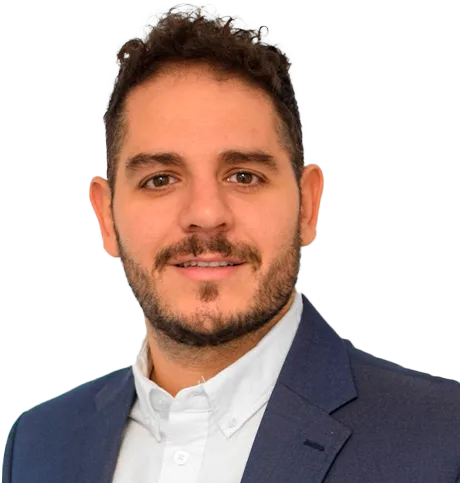
“Even when a company has solid fundamentals, the perception of sovereign risk ends up increasing the rate at which [the company] can be financed or directly closing the appetite of certain investors, especially international investors...”
Martín Mazza Director at MM Investments
The Bitfinex Securities Latin America Market Inclusion Report
Costs, fees and country snapshots
While benchmark research from PwC14 suggests provisioning of around 7% of the raised amount for a US$30-$50 million investment round, covering underwriting fees, legal fees, accounting fees, and other preparation and promotional expenses, further consideration is required when raising in Latin America.
Firstly, while the funding round may be denominated in local currency, much of the counsel and expertise will not be, particularly if engaging international investors. This reality is compounded by the relatively small pool of experienced professionals (and absence of a financial/market culture that could be found in more mature markets). In effect, solid advice sells at a premium, and frequently in US dollars.
Secondly, differences in costs vary widely across the region. Our research shows that the majority of fundraising fees in Argentina, for instance, would be required to maintain the listing (audits, reporting, stock market fees, reporting etc). In Mexico, the opposite is true; the majority of fees would cover upfront expenses prior to, or at the opening of the offering (rating agency fees, registrations and market fees, legal advice, marketing roadshows etc.). In certain markets - including Mexico - significant pre-issue contingency planning is obligatory, to mitigate the reputational impact of a failed offer. Chile is another case in point. According to Renato Campos, founder of Chile-based Greyhound Trading:
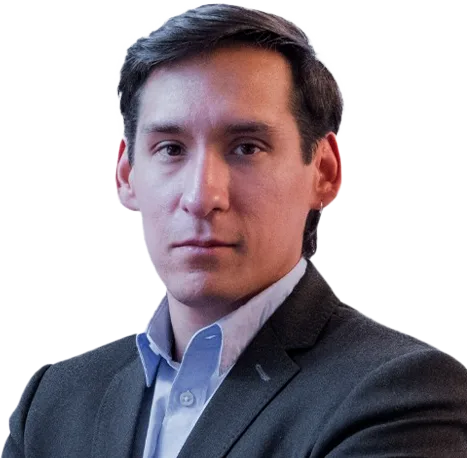
“The public offering requires a large investment before raising even one single dollar, so this translates into high initial costs where a series of very strict requirements of local organisations must be met, involving long and detailed processes.” 15
Renato Campos Founder of Chile-based Greyhound Trading
A similar picture emerges in Colombia where the scarcity of transactions, including public offerings, together with regulatory complexity and relatively low levels of supporting infrastructure are inhibiting business’ potential to raise capital locally. Edgar Ricardo Jiménez, an accountant, and expert in finance and capital markets, who is an associate professor at Jorge Tadeo Lozano University, explains that a provision of at least 50,000 million Colombian pesos (around US$12 million) is needed just to cover rating agency reporting and regulatory compliance.
In addition, the absence of any coherent Government policy or programmes to incentivise - or even facilitate - capital market issuances further limits the options for local fund-raisers.
The Peruvian capital market is still more complex. According to Luis Mendiola, professor at the Graduate School of Business, ESAN University of Peru, there appears little correlation - or logic - between the cost of listing and the funds being raised. He cites the example that a fund-raising round of US$30 million could have proportionately higher costs than one for US$300 million, since the eventual issuance costs are largely fixed in Peru irrespective of the amount being raised.16 He goes on to highlight another reality facing potential issuers, not just in Peru, but across Latin America:
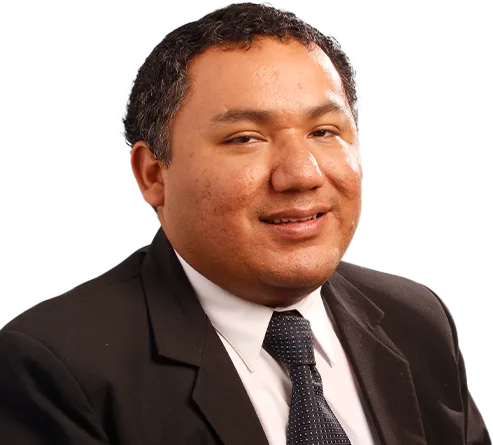
“In addition, the risk of under-subscription is significant: if the issuance does not generate enough demand, the company not only collects less, but its reputation will be seriously compromised in the eyes of the market.”
Luis Mendiola Professor at the Graduate School of Business, ESAN University of Peru
Stock market fees and commissions also vary between markets, and can add significant expense to the offerings, even if they are successful, particularly in markets such as Peru, Chile, Colombia and Mexico. Renato Campos explains that, in such markets, access to a network of experienced and connected advisers - from banks and stockbrokers, to legal advisers and, even, Government institutions such as regulators - is fundamental. But with the right network of advisers and support, public offerings are perfectly feasible and successful in such markets.
According to Edgar Ricardo Jiménez, it’s the opacity of Colombia’s capital markets - rather than the processes themselves - that represents the most significant barrier to the participation of international investors:
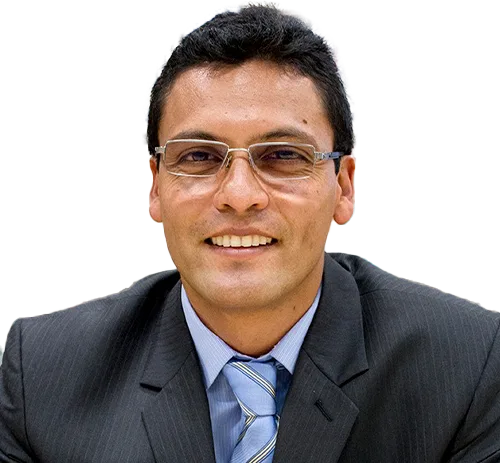
“The main barrier to foreign investment in the Colombian capital market is the lack of education and local information, rather than the timelines and costs, which are manageable and feasible, hand in hand with good advice.” 17
Edgar Ricardo Jiménez Accountant, expert in finance and capital markets and associate professor at Jorge Tadeo Lozano University
Alejandro Zúñiga, Colombia-based Senior Trader at BBVA Colombia, pointed out that a factor to consider in Colombia is the interest rate, which is higher18 than many other countries in the region, due to its perceived risk premium:

“Banks such as BBVA are trying to mitigate high interest rates through financial derivatives, converting loans in dollars to pesos, with more favourable rates. However, many companies are not familiar with these instruments, while (Colombia’s) National Guarantee Fund promotes financial support for SMEs, rates of 3 to 4% are still prohibitive for many potential listing companies.”
Alejandro Zúñiga Colombia-based Senior Trader at BBVA Colombia
In addition, even if the company obtains the necessary commercial support for a listing, the regulatory barriers remain formidable, including financial statements to evaluate their capacity to borrow and pay, as well as documentation before the Bank of the Republic and the Special Administrative Unit of the Directorate of National Taxes and Customs (DIAN) covering the registration of currency movements. In addition, the company must submit a risk assessment to the Money Laundering and Terrorist Financing Risk Management System (SARLAFT) to verify the absence of a criminal record or link to illicit activities.
However, in terms of the administrative burden - in Colombia, at least - progress is being made. The Colombian stock exchange has created an alternative market called "a2censo", with more flexible and shorter processes, as well as financing options for small and medium-sized companies to participate in this market. However, a cultural and societal shift still needs to take place before this becomes popular; local companies in Colombia prefer to finance themselves with bank finance rather than via public offerings, even for significant amounts. Apart from the cost and complexity of the former, many founders are discouraged by the level of scrutiny required to complete a listing.
In contrast, in Panama, regulations and costs are far less complicated or onerous. Just US$2,000 is required to create and register a company, in addition to consultancy fees for the presentation of business plans required by law, and attorney's fees for regulatory compliance. Starting a company may be a long way from launching on the stock market, but the ease of the former demonstrates where the Panamanian government’s priorities lie: to transform the country into the region’s undisputed financial hub, and attract serious, formal investment from the US, Europe and beyond.
With the aim of turning the country into a 'financial hub' in Central America, policy has been designed to facilitate the entry of European capital into the Panamanian market. As Gustavo Martínez, Economist and Editor in Chief of TyN Magazine and TyN Media Group, explains:

“The main concern (of the authorities in Panama) is the verification of the origin of the capital (...) In general, Panama is facilitating the entry of investors, not only with respect to regulatory matters, but also with initiatives and agencies that help investors connect with locals.” 19
Gustavo Martínez Economist and Editor in Chief of TyN Magazine and TyN Media Group
The Bitfinex Securities Latin America Market Inclusion Report
Capital market country snapshots
Behind the regional overview, real differences remain between countries. This chapter takes six markets in turn, from Argentina's push for deregulation to Panama's ambition to become the region's financial hub. Settlement cycles and rules on foreign participation vary widely, and the pattern that emerges is uneven: every market is moving, few are moving quickly.

The Bitfinex Securities Latin America Market Inclusion Report
Settlement times
Settlement Times
Most Latin American markets featured in this report operate with a T+2 settlement cycle (meaning trades are typically settled two business days after the transaction date), but many are actively moving towards a T+1 settlement cycle. In May 2024, Mexico and Argentina implemented T+1 settlement, while Chile, Colombia, and Peru have confirmed that they will transition to T+1 settlement in Q2 of 2027.20 The B3 stock exchange in Brazil currently operates on a T+2 with some T+1 settlement available, and it is actively discussing moving to a full T+1 settlement cycle.21 As always, it is best to check directly with local authorities on the latest settlement procedures.
Hours of Operation
Specific trading hours may vary, but under normal circumstances, trading sessions for the main Bolsas de Valores in Latin America are from:
10:30 to 17:00 local time in Argentina;22
10:00 to 17:00 local time in Brazil;23
09:30 to 16:00 local time in Chile;24
08:00 to 15:00 local time in Panama;25
08:30 to 14:50 local time in Peru.26
Foreign Participation: Foreign investment in Latin American markets is generally allowed, and often encouraged, although specific rules on foreign exchange and repatriation of funds can vary by country. We advise traders to always check with local authorities for the latest information regarding foreign participation in local markets.
Behind this regional overview, some nuances and distinctions remain between countries.
The Bitfinex Securities Latin America Market Inclusion Report

Argentina seeks deregulation, inclusion and competitiveness
The Argentine capital market is characterised by its lack of depth and excessive fragmentation, factors that have affected its efficiency and development over the years, according to a report by the Latin American Economic Research Foundation (FIEL).27 The number of listed companies and their capitalisation is lower, compared to Brazil or even Chile. In addition, the FIEL report adds, the impact of market fragmentation is aggravated by the lack of homogenisation between operating systems, with the consequent inefficiency and duplication of functions.
Such factors - together with the backdrop of runaway inflation - continue to limit the liquidity, dynamism and competitiveness of the Argentine market, in the regional and global context.
One of the biggest challenges is the short-term nature of the financial instruments used. Unlike other more developed markets, where companies can resort to long-term financing through structured instruments, in Argentina, short-term instruments predominate, which limits the ability of companies to finance growth and expansion projects.
In Argentina, short-term investments typically involve instruments such as fixed-term deposits, short-term fixed-income mutual funds, Treasury bills, certificates of deposit (CDs), high-yield savings accounts, and crowdlending.28 For long-term financing,29 bonds, stocks, long-term bank loans, and debenture issues can be considered.
In addition, as Eric Paniagua, founder of Argentina-based Dekadrak Venture Capital, explains:
“The main costs that a fund-raiser will face are legal advice and the coordinator of the stock market placement. However, it should be noted that the entry costs are not as high as those of maintenance, due to the onerous ongoing reporting and due-diligence requirements.” 30
Eric Paniagua Founder of Argentina-based Dekadrak Venture Capital
Processes are significantly easier for secondary listings or companies with an existing stock exchange listing; genuine IPOs will face a battery of compliance and regulatory processes ranging from the National Securities Commission (CNV) to authorised markets (BYMA, MAE).
Country risk also represents a significant obstacle for local listings, particularly with respect to international investors, as Martín Mazza, a Director at MM Investments, explains:
“Even when a company has solid fundamentals, the perception of sovereign risk ends up increasing the rate at which it can be financed or directly reducing the appetite of certain investors, especially international ones.” 31
Martín Mazza Director at MM Investments
However, there are positive developments in Argentina, which should support greater financial optionality for investors. Following a public consultation, approval was granted by the CNV regulatory agency to incorporate, in its first stages, the final tokenisation regulations for so-called Real World Assets32.
This first stage establishes the regulations for the tokenisation of financial trusts and closed-end mutual funds with public offerings, which are composed of real-world assets or eligible assets other than marketable securities traded on authorised markets in the country.
Tokenisation will be handled by an entity specialising in distributed ledger technologies (DLTs), regardless of whether they are registered as a VASP (Virtual Asset Service Provider).
The Bitfinex Securities Latin America Market Inclusion Report

Brazil grapples with its ever-changing regulatory complexity
The Brazilian capital market has faced a series of regulatory complexities over the years, to such an extent that it has taken considerable time to simplify just the legal frameworks for the development of some sectors (investment funds).
Research from administrative support provider, TMF Group, highlights the “notoriously complex” Brazilian tax system, which “makes it difficult for companies to comply with the laws, resulting in costly fines and penalties.” Despite relatively advanced levels of technology and infrastructure, Brazil’s constantly shifting regulatory environment presents challenges to potential fund-raisers.
On the positive side, the Brazilian Securities and Exchange Commission is reported to be working on an initiative to facilitate the access of small and medium-sized enterprises (SMEs) to the capital market, with the aim of making it easier for smaller companies to register in a more agile and less bureaucratic way.33
Investment funds have also achieved a prominent position in the Brazilian capital market, evidenced by their substantial size, growing number of participants, and significant mobilised financial volume.34 According to ANBIMA (Brazilian Association of Financial and Capital Market Entities), net assets under management reached a historic R$8.3 trillion by December 2023, making Brazil's investment fund industry the sixth-largest globally in absolute terms.35 This growth reflects sustained efforts to streamline processes, reduce compliance costs, and improve access, solidifying the Brazilian investment market as one of the most evolved in the region over the last decade.36
Amanda Albano, a lawyer specialising in tax and corporate law at the Instituto Brasileiro de Direito Tributário (IBDT), highlights the importance of relevant and local contacts is critical to the fund-raising process in Brazil:

“The ability to raise funds for start-ups can be directly influenced by the availability of a solid and strategic network of contacts. It’s not necessarily a determining factor for access, but it undoubtedly significantly increases investment opportunities. This is because relationships between people inspire trust, a key element in the fundraising process, especially if the fundraiser is in the initial phase.” 37
Amanda Albano Lawyer specialising in tax and corporate law at the Instituto Brasileiro de Direito Tributário (IBDT)
The Bitfinex Securities Latin America Market Inclusion Report

Chile begins to rethink regulatory barriers
In Chile, the Chilean Institute of Rational Business Administration ICARE's* Circle of Economics and Finance, and the Financial Market Commission (CMF) began in 2024 to identify challenges and opportunities in the financial market, including those concerning the "fintech Law", open finance, conglomerates and ecosystem development. The financial market development agenda that has been outlined contains five themes: corporate governance, trading platforms and infrastructure, market depth, financing of smaller companies and promotion of savings.
Currently, Chile has an advanced technological and financial infrastructure, a modern regulatory framework, and new regulations in areas such as personal data and cybersecurity, which complement the fintech playing field. However, such factors have promoted the presence of large competitors whose robustness and competitiveness constitute the main barrier to the entry of new investors, for fear of not being able to compete with them, according to an analysis published by the Association of fintech Companies (FinteChile38).
*ICARE is a private, non-profit corporation independent of trade and political interests. It was founded in 1953 by entrepreneurs and professionals linked to various sectors of the national economy with the aim of promoting business excellence in the country.
The Bitfinex Securities Latin America Market Inclusion Report

Mexico searches for simplified procedures and costs
The Mexican capital market remains distinctly ‘underweight’ compared to the size of its economy and - in particular - its proximity to the world’s largest marketplace.
A report by the Mexican Association of Stock Markets39 highlights a series of characteristics that have become barriers to the development of this sector, including low financial education, the lack of openness of companies to finance their projects outside the traditional banking system, reluctance to cede control to raise funds, high market concentration, the imbalance between supply and demand, high costs, lack of fiscal stimuli, as well as excessive procedures and regulatory changes that have not boosted growth.
However, pending securities markets reform is intended to address this and if the Securities Market and Investment Funds Law (LMV) is approved, capital markets activity is expected to grow significantly, particularly across smaller and mid-cap companies.
As it is, Mexico’s capital markets remain relatively under-funded and illiquid - a situation compounded by the lower credit ratings typically accorded to Mexican companies. Shares in many companies are also controlled by a small (often interlinked) group of shareholders (for and around their own priorities), further reducing the incentive for minority investors to participate.40
The Bitfinex Securities Latin America Market Inclusion Report
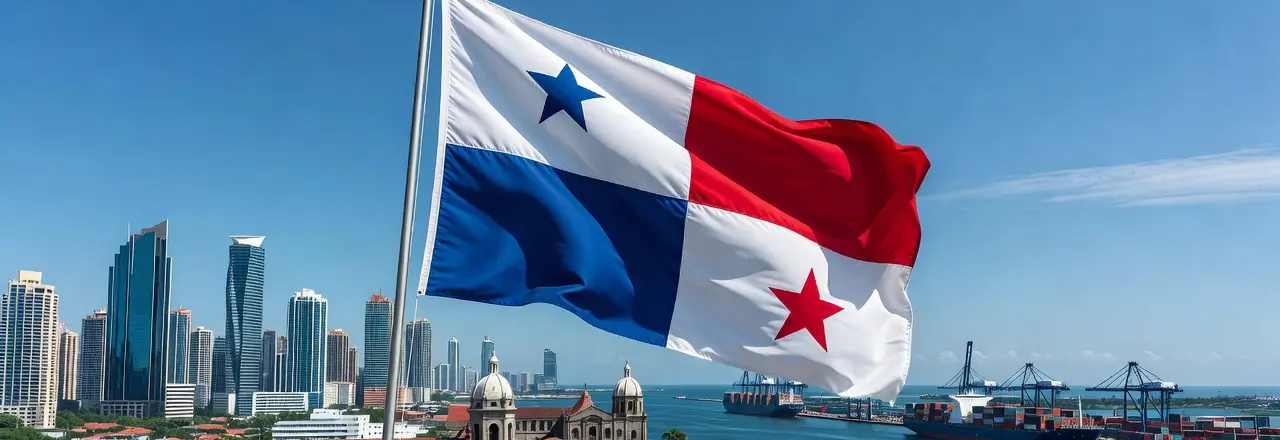
Panama as a financial hub
Panama as a financial hub
Panama’s position as Latin America’s premier capital market is exemplified by its recently announced partnership with Euroclear to facilitate the investment and potential listing of European companies on the country's Latinex exchange.41
Sergi Lucas, president of the Panamanian Capital Market Association (APAMEC), has explained that the aim was to simplify regulatory and fiscal processes in Panama to better compete with markets such as Miami, Singapore and Madrid, and turn Panama into a genuine financial hub.42
According to the Ministry of Economy and Finance (MEF), the agreement between Latinex and Euroclear will deepen liquidity for the public and private sectors, strengthening the operating margin and growth of Panama's capital market.
New securities legislation also covers alternative instruments such as digital assets and cryptocurrencies. Mr Lucas has commented that:
“Panama has a great opportunity to position itself as a leader in innovative issues such as digital assets and cryptocurrencies. If we manage to adapt our regulation to these new markets, we will be able to capture an important part of a sector that continues to grow around the world.” 43
Sergi Lucas President of the Panamanian Capital Market Association (APAMEC)
In April 2025, a draft bill was also tabled on the establishment of a regulatory framework for crypto assets in the Legislative Assembly, highlighting its potential to generate jobs and attract foreign investment.
The proposal calls for the creation of the National Council of Digital Assets (Conad), which will be responsible for coordinating the regulation and supervision of cryptocurrencies in the country, including ensuring the prevention of any "suspicious transactions," money laundering, or terrorist financing, based on the recommendations of the Financial Action Task Force (FATF).44
The proposal highlights that, due to its geographic location, Panama could not only be a technological hub but also become a benchmark for Latin America.
This is the second time the National Assembly has debated a bill that seeks to establish a regulatory framework for cryptocurrencies and boost the digital economy.
The Bitfinex Securities Latin America Market Inclusion Report

Peru makes efforts to remove capital market barriers
In August 2024, Peru's Superintendence of the Securities Market (SMV) requested the support of the World Bank to develop a roadmap to promote the development of the Peruvian stock market, through a set of reforms aimed at increasing transparency, improving corporate governance, expanding the investor base, and strengthening institutional infrastructure.45
According to the submission made by Peru’s Central Bank, the biggest barrier to the development of the country’s capital market was the lack of supply, given the small number of companies that meet listing requirements. As a result, the liquidity and depth of the local capital market remains low and uncompetitive.
Luis Mendiola, professor at the Graduate School of Business, ESAN University in Peru, explains:
“The most common obstacle is the minimum size and maturity of the business, since companies such as start-ups are often seen as risky because they do not generate solid revenues, stable margins or do not have a proven model. Peru’s main barriers with respect to capital markets remain high costs, lack of liquidity, lack of financial information, limited investment alternatives and complexity to issue.”
Luis Mendiola Professor at the Graduate School of Business, ESAN University of Peru
Corporate governance requirements also represent a ‘natural filter’, since companies must have independent board members and in key positions such as audit, remuneration and corporate governance committees. They must also have robust internal control mechanisms and transparency policies, something that many medium-sized companies, and especially family ones, are reluctant to implement.
Overall, costs (for fund-raisers) and risks of participation (for investors) in Peru’s stock market remain relatively high, due to commissions, illiquidity, acquisition and processing of information.
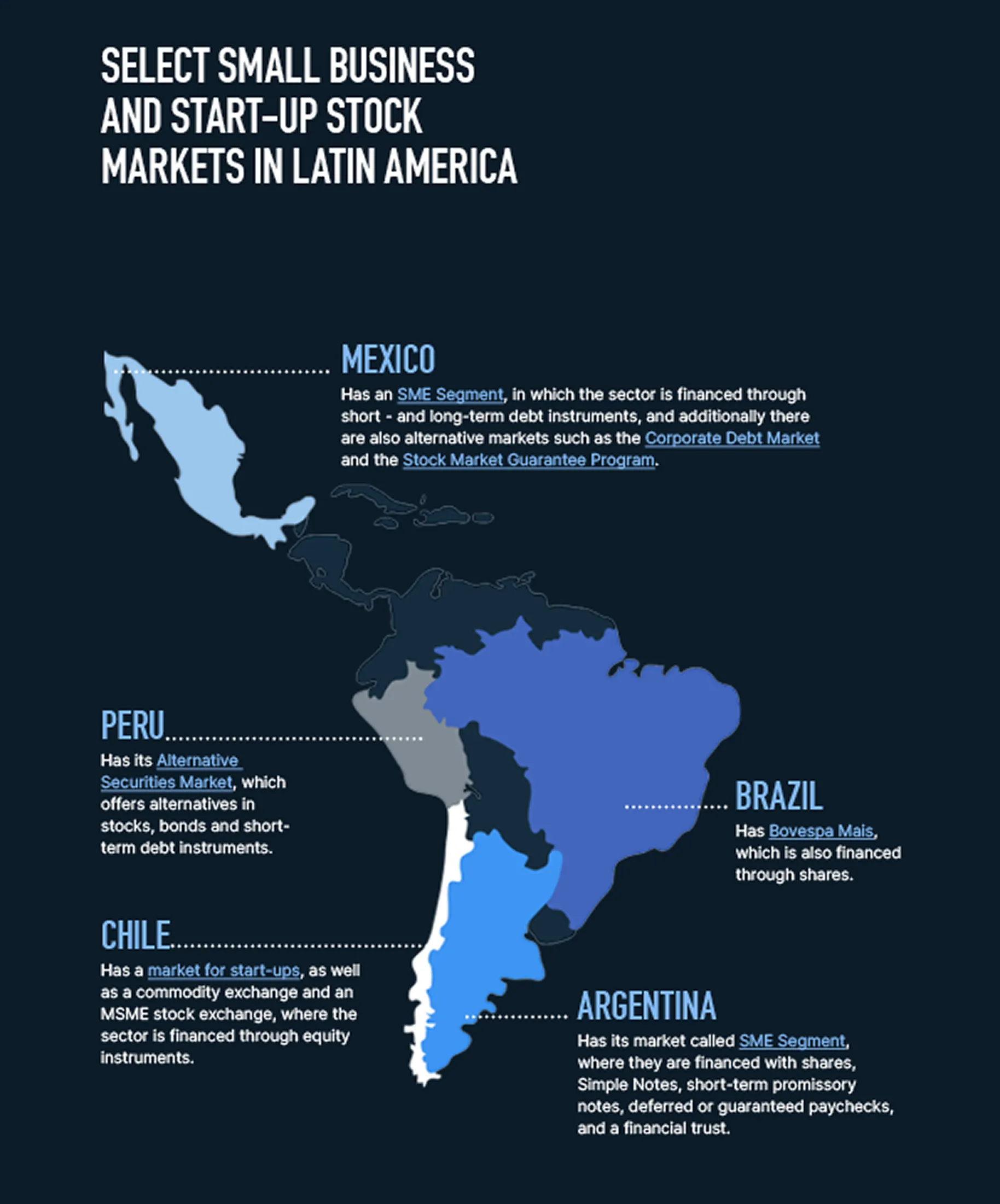
- Mexico Has an SME Segment, in which the sector is financed through short- and long-term debt instruments, and additionally there are also alternative markets such as the Corporate Debt Market and the Stock Market Guarantee Program.
- Peru Has its Alternative Securities Market, which offers alternatives in stocks, bonds and short-term debt instruments.
- Chile Has a market for start-ups, as well as a commodity exchange and an MSME stock exchange, where the sector is financed through equity instruments.
- Brazil Has Bovespa Mais, which is also financed through shares.
- Argentina Has its market called SME Segment, where they are financed with shares, Simple Notes, short-term promissory notes, deferred or guaranteed paychecks, and a financial trust.
The Bitfinex Securities Latin America Market Inclusion Report
Investing in public offerings in Latin America - beyond the institutions
Even if a company manages to list on a Latin American exchange, questions remain. Who is likely to invest, and what stands in their way? Our research reveals significant obstacles facing local and international investors alike, from low awareness of the opportunities on offer to the intermediary layers and costs that price many retail participants out entirely.

The Real Challenges and Barriers Facing Investors in Latin America’s Capital Markets
Overall, public participation in local capital markets remains extremely low in Latin America; according to research from Colombian stock market platform, Trii,46 active stock market investors account for less than 2% of the country’s population.
The pandemic accelerated banking access in Latin America and the Caribbean, enabling millions to open digital bank accounts to receive transfers, remittances, and make purchases. The World Bank's Global Findex data registered a significant increase in digital payments during and immediately after the pandemic, with the percentage of consumers using digital banking channels rising from 44% in 2014 to 66% in 2021.47
However, as the UN Development Programme suggests, having a bank account does not guarantee full financial inclusion. In 2021, only 18% of consumers from Latin America and the Caribbean used a savings account, while 30% took out formal loans.48 These figures are well below the 59% of consumers saving and 57% taking out loans in developed countries.49 Instead, many still opt for informal methods. A 2021 World Bank study found that 52% of Latin Americans had reported borrowing money from family or friends, a significantly higher proportion than the global average of 30%.50
One key challenge is improving financial education. According to the World Economic Forum, 68% of Latin Americans have never received any training or support with managing their personal finances.51 This is significantly higher than the OECD, where a recent PISA study found that only 18% of young people in the OECD lacked basic proficiency in financial literacy.52
This relative lack of financial literacy and, in particular, knowledge around issues such as planning, saving and prudent speculation represents a significant barrier to broader participation in public offerings and investment opportunities.
The Bitfinex Securities Latin America Market Inclusion Report
Pricing and structure
According to research from BlackRock,53 another perceived challenge to financial inclusion is the lack of products and services adapted to the economic realities of large segments of the population.
For his part, Andrés Restrepo, Colombia-based financial lawyer and capital markets expert, one of the main administrators of mandatory and voluntary pension funds in Colombia, pointed out that the main obstacle for investors is that share prices on the Colombian stock exchange do not necessarily reflect the real value of the companies.

“These ‘price/value’ differentials are, in part, due to factors such as Colombia’s removal from the MSCI Emerging Markets Index, a relatively closed investor pool, the lack of foreign investors and the need to modernise regulation.”
Andrés Restrepo Colombia-based financial lawyer and capital markets expert
Restrepo also mentioned the need to modernise regulation, especially with regard to takeover bids, corporate events and minority protection, to encourage companies to issue in the public market. It’s not (only) about streamlining the listing process, it’s about making the entire experience clearer and more transparent for potential investors - both internationally and for private investors closer to home. This includes clearer regulations regarding acquisitions and take-overs, as well as government intervention, to ensure all stakeholders - including private investors - are protected.
This ‘virtuous’ cycle would ensure a broader pool of investors, greater transparency and more value for all parties.
It's difficult for individuals to invest directly and efficiently in Latin America's capital markets, as there are fewer accessible platforms such as those that serve the US or European markets, available in the region - which means that investors need to use traditional stockbrokers. This creates barriers to entry. Alejandro Zúñiga explains
“The high operating costs of stockbrokers can directly impact access to investment opportunities, charging a percentage of the amount invested. Less advanced technology, compared to other countries, together with low market liquidity, are also limiting factors. Government regulation and the Super Financiera, as well as the local income tax (approximately 7%), also exert an influence.”
Alejandro Zúñiga Colombia-based Senior Trader at BBVA Colombia
A reality - according to Renato Campos - which is reflected across the region:
“The public offering requires a large investment before raising even one single dollar, so this translates into high initial costs where a series of very strict requirements of local organisations must be met, involving long and detailed processes.” 15
Renato Campos Founder of Chile-based Greyhound Trading
The issue of price discrepancies between different investor groups also represent a significant market failure, which is compellingly brought home in the case of Peru. According to Luis Mendiola, professor at the Graduate School of Business, ESAN University in Peru, after commissions and fees, a retail investor could end up paying 11 times54 more than an institutional investor for the same stock!
So, in terms of broader investor participation in Latin America’s capital markets, transparency, limited liquidity pools and complex fiscal regulation represent the biggest disincentives facing international investors, while financial literacy levels, intermediary costs and the absence of minority shareholder protection combine to discourage participation from the wider local population.
The Bitfinex Securities Latin America Market Inclusion Report
Market inclusion – Barriers and challenges faced by specific segments of entrepreneurs and start-ups
The realities of Latin America's traditional capital markets are not simply academic; they have real-life consequences. Poorly allocated capital carries a societal cost, limiting growth and prosperity for communities already excluded or marginalised. This chapter examines who bears that cost most heavily, from women and older adults to young entrepreneurs locked out by informality and absent credit histories.

Both potential investors and potential entrepreneurs are impacted by the absence of market knowledge, lack of capital, and a paucity of contacts with the expertise required to support their participation.
The Bitfinex Securities Latin America Market Inclusion Report
Market inclusion and gender gaps
While a significant gender gap exists in Latin America, progress is being made. According to a study by Credicorp, the proportion of Latin American women achieving the highest levels of financial inclusion (classed as those who regularly use various financial products and services and evaluate the system positively) grew from 11% to 24% between 2021-2024.55 During the same period, the proportion of women at the lowest level of financial inclusion also decreased from 56% to 36%.56 However, the report highlights the persistence of barriers to women accessing formal credit and savings products, with these limitations leading many women to seek alternatives through informal financing, which poses additional risks.
The Latin American gender gap is evident not only in the access and use of financial products, but also in financial knowledge, skills, attitudes, and behaviours, resulting in lower levels of financial participation for women.57 Platforms such as Bitfinex Securities offer a product that anyone can use, bringing a new way to access financial inclusion, without gender limitations.
The Bitfinex Securities Latin America Market Inclusion Report
Latin America's silver generation
Many of the region’s older adults face particular difficulties adapting to the digitalisation of financial services. In addition, insufficient pensions and previous labour informality restrict their economic capacity and credit history - at least from an investment perspective.
Data from Mexico’s National Financial Inclusion Survey 2024 (ENIF 2024) highlights the lack of inclusion for adults over 60 years of age. While, superficially, the number of 88.4% of adults aged between 64 and 70 connected to formal financial services appears reassuring, this percentage falls dramatically (to just 57.6%) when excluding those who only use their online accounts to receive government support.
Such low levels of financial participation - particularly digitally - represents a further barrier to the broader participation in capital markets, even from an investment perspective.
The Bitfinex Securities Latin America Market Inclusion Report
Barriers to youth participation
Despite tending to be more familiar and comfortable with technology, young people face barriers such as unemployment, informal jobs and lack of credit history, which restricts their access to financial services such as credit or insurance.
This issue of financial literacy - inhibiting the younger generation’s awareness of and access to investments - is exacerbated by the reality of the informal economy in many of the region’s countries.
The example of Peru is instructive. The absence of a formal credit history represents possibly the biggest barrier facing young people, not only investing but starting companies that could eventually access capital markets. But lack of financial education is limiting the savings capacity of young people in Peru. A recent study shows that only 49% of young people between 18 and 24 years old save regularly, compared to 70% of adults over 25.58
The Universidad César Vallejo found that Peru leads Latin America in terms of the percentage of young entrepreneurs, with 50.7% being between 18 and 34 years old.59 This indicates that more and more young people are seeking financial independence through entrepreneurship. However, the absence of a savings culture and adequate financial education can jeopardise the success of these ventures, as many are not prepared to manage their finances efficiently.
According to a study by Latin American bank Credicorp: "Informality and Financial Inclusion in Latin America", over one-in-three employees work outside the formal economy and enjoy levels of financial inclusion ‘equivalent to that of those who are unemployed’.60 In essence, a third of the country is treated by the formal economy as if they simply received no regular income.
Peru’s situation is notable for its high levels of financial exclusion and informality, but it’s endemic of a reality found across the region which restricts - not only the type of groups who can realistically start a company - but even those able to invest in one.
The Bitfinex Securities Latin America Market Inclusion Report
Market inclusion realities
Research from Credicorp61 neatly sums up the situation: in Latin America, the people with the least access to investments are women, people over 60 years of age, inhabitants of rural areas, individuals without access to the internet and with a low level of education.62
In fact, the situation facing potential entrepreneurs is particularly ‘asymmetric’. Micro, Small and Medium-sized Enterprises (MSMEs), represent 99.5% of companies in Latin America (88.4% of whom are microenterprises).63 They represent the lifeblood of the Latin American economy, but their capacity to scale is severely limited by a lack of access to capital.
The cost and complexity of public offerings represent a deeper inequality - access to capital, even at the start-up stages, is far from evenly distributed. Many (current) SMBs are perfectly formalised but remain family-owned and enjoy neither access to advice nor a culture of using third party capital to expand.
In Brazil, Bolivia, Costa Rica, Panama and Mexico, high interest rates and insufficient collateral are the factors that most influence the use of alternative sources to bank credit for SME financing. In El Salvador and Mexico, banks require high levels of coverage, which average 150% and 200%, respectively. In Brazil, bureaucratic obstacles have also been a determining factor in SMEs not resorting to bank credit or other formal instruments.64
These are barriers that are far more likely to be felt by groups who already remain financially and economically under-represented.
The Bitfinex Securities Latin America Market Inclusion Report
El Salvador - on the path towards market inclusion?
This chapter shows how El Salvador has rapidly become a case study to illustrate the potential impact of progressive legislation on market inclusion in Latin America and beyond. El Salvador’s pioneering digital assets framework is more than a theoretical model: it is the legal environment in which Bitfinex Securities operates. By being based in the country, the company serves as a live example of how a well-designed legal framework can accelerate tokenisation and capital market innovation.
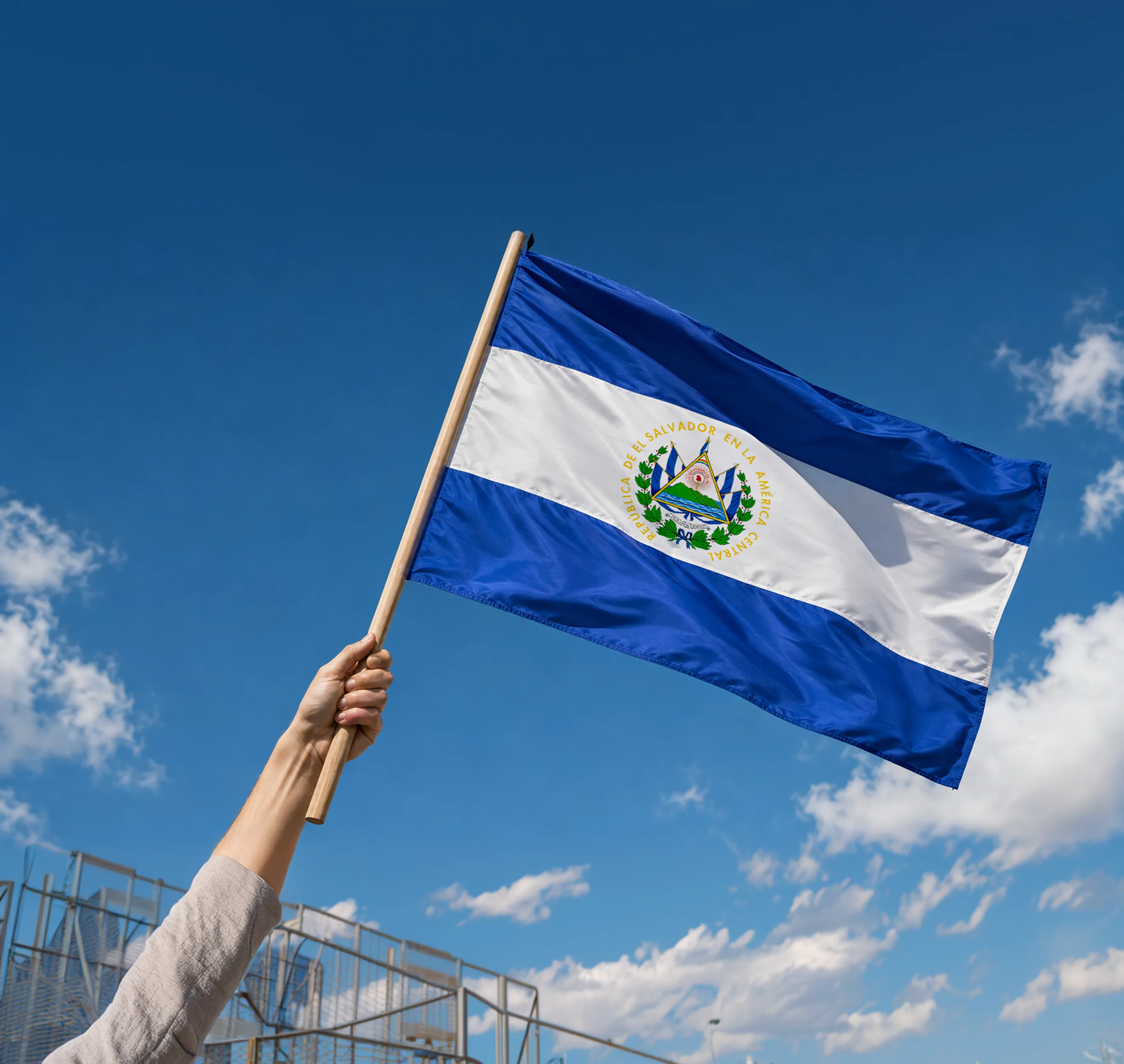
In 2021, El Salvador became the first country to recognise Bitcoin as legal tender. While the obligation to accept the currency was replaced by the “option” to do so in January 2025, the decision still represents a historic milestone. It signalled the country’s openness to financial innovation.
In January 2023, the Digital Assets Issuance Law (LEAD) came into effect, creating a fully regulated framework for the tokenisation of assets. For Bitfinex Securities, this provided a clear path to launch tokenised offerings from a jurisdiction built for innovation.65
Tokenised funds digitise ownership of a fund by issuing tokens on a blockchain, where each token corresponds to a share or unit of the fund. This structure allows for decentralised ownership and management together with multiple other advantages:
- Liquidity and accessibility: through fractional ownership, tokenised funds allow investors to purchase smaller portions of high-value assets. They can also be traded 24/7, providing continuous liquidity and enabling investors to enter or exit positions at their convenience.
- Enhanced efficiency: tokenised funds operate on decentralised ledgers, where all transactions are recorded immutably on a blockchain. This system eliminates the need for intermediaries such as underwriters, insurers and custodians, reducing the time and cost associated with transactions.
- Inherent transparency: ownership and transaction histories are always accessible and verifiable by all stakeholders.
- Automation: DLT technology could potentially further automate tasks such as compliance checks, asset transfers, and payment distributions, ensuring that predefined conditions are executed without the need for manual intervention.
- Can be used as collateral: tokenised assets can unlock liquidity without liquidation.
Tokenisation offers issuers cost-efficient access to global liquidity for companies of all sizes and situations, also enabling investors a much greater degree of flexibility and freedom of use with real-time settlement, 24/7/365 trading and the ability to self-custody assets. In effect, there are zero barriers to entry for both sides of the transaction - fund-raisers and investors.

“Tokenisation is the first genuine opportunity we have had in generations to rethink finance and do things differently. For decades, businesses and individuals, particularly in emerging economies and industries, have struggled to access capital through legacy markets and organisations. Tokenisation actively removes these barriers. It enables issuers to unlock capital more efficiently and cost effectively, while investors can access high-yielding investment products that are backed by robust compliance and regulatory approval.”
Paolo Ardoino Chief Technology Officer, Bitfinex Securities
Tokenisation can offer issuers a more direct link to their investors, which drives significant operational efficiencies and cost savings while allowing investors a much greater degree of flexibility and freedom of use. This means that any approved user on a regulated platform can access investment opportunities, particularly early investment opportunities that are usually only available to institutions.
The Bitfinex Securities Latin America Market Inclusion Report
Tokenisation – the route to market inclusion
In April 2023, Bitfinex Securities was the first exchange to receive approval for a Digital Asset Service Provider license under El Salvador’s new Digital Assets Issuance Law, enabling the issuance and secondary trading of tokenised assets. In terms of financial inclusion, the step represented a milestone; one of the first issuances under the new legal framework was tokenised United States Treasury bills (T-bills) enabling – literally – anyone to hedge their savings by investing in US government debt and earn interest.
Today, the crypto licensing regime in El Salvador allows companies to tokenise funds, debt, equity, and real estate. It also simplifies the process of raising capital, enabling companies to issue tokens, fund investments and projects, and offer returns to investors.
According to market analysis, this is just the beginning. McKinsey66 predicts that tokenised securities offer a potential US$3 trillion market by 2030 in the bull case scenario – and a US$1.8 trillion market in the base case. The current size of the Security Token Offering (STO) market is estimated to be around US$40 billion, implying there’s a 45x to 75x market growth potential over the next six years.
Tokenised securities offer the benefits of raising capital via traditional means but with the efficiency benefits of blockchain-based offerings; notably, the absence of intermediaries means that issuance costs are significantly lower compared to traditional market offerings.
While still in its infancy, tokenisation is at the forefront of capital markets innovation. It represents a new era of finance, one which democratises access to capital. For a region such as Latin America, characterised by markets that are illiquid, expensive, and largely inaccessible to large proportions of the population, tokenisation represents a solution.
Projected Growth Multiplier (2024–2030)
The Bitfinex Securities Latin America Market Inclusion Report
The economics of tokenisation
The previous chapters conveyed the various costs, delays and barriers that both sides of any transaction - fund-raisers and investors - must overcome to participate in Latin America’s capital markets. In these respects, how does tokenisation measure up?
Under El Salvador’s Digital Assets Issuance Law (LEAD), issuers seeking to offer tokenised securities through Bitfinex Securities undergo a defined and time-bound process. Applications are first reviewed by the platform for commercial viability, followed by assessment from its listing committee. The issuer’s offering document is then reviewed by an independent, CNAD-approved certifier before being submitted to the Comisión Nacional de Activos Digitales for final authorisation. This certifier-led model replaces the traditional sponsor or NOMAD role, streamlining regulatory review. Once a complete application is filed, the CNAD must issue a decision within 20 business days, making the process significantly faster and more predictable than conventional securities approvals.
The framework also imposes lighter ongoing obligations compared to the traditional securities regime. Disclosures are maintained digitally on the platform, there are fewer continuous reporting requirements, and issuer compliance is managed in coordination with the certifier. Crucially, the platform operates on a regulated, global basis, allowing capital to be raised from international investors and brought directly into the country.
Costs are transparent and success-based. For primary capital raises, Bitfinex Securities charges 4% on the first US$20 million raised and 3% on the next US$80 million, with lower percentages for larger tranches. A direct listing without raising capital is charged a flat US$150,000. Regulatory fees to CNAD are minimal (0.01% of the offering amount).
This combination of faster approval, lighter documentation, reduced ongoing obligations, and access to a wider investor base makes the tokenised issuance model under El Salvador’s digital-assets law a materially more efficient route to market for many issuers.
The Bitfinex Securities Latin America Market Inclusion Report
Venezuela leverages its resilience to capitalise on tokenisation
This new chapter examines Venezuela following the arrest of former president Nicolás Maduro in January 2026. The economic outlook has begun to improve, yet the Caracas Stock Exchange remains the smallest in South America and sanctions still weigh on risk perception. Experts consulted for this report see tokenisation as the infrastructure that could reconnect Venezuelan assets with international capital.
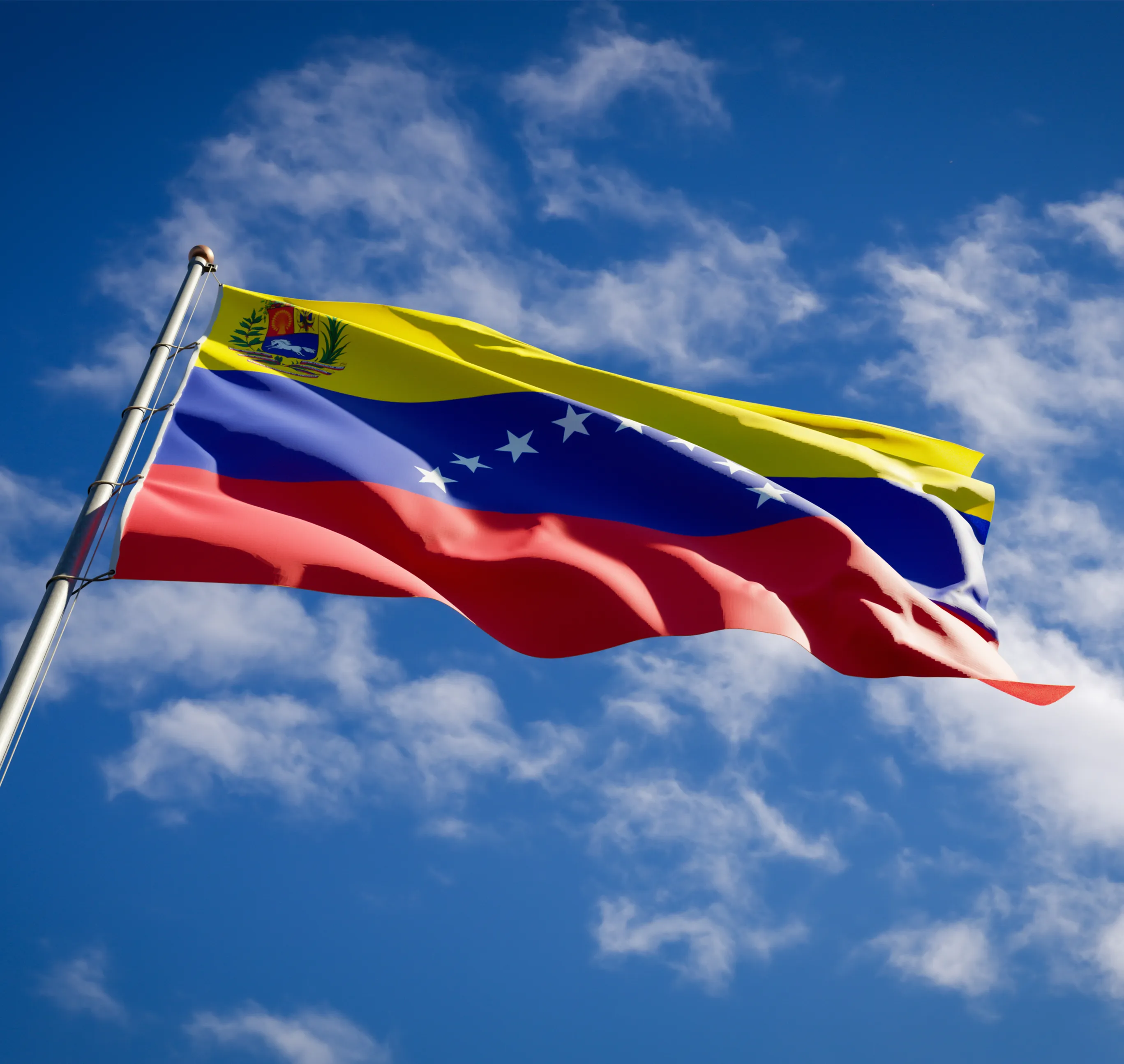
Venezuela has historically been one of the most dynamic markets in Latin America. This is largely due to its oil industry, which in 2025 reached its highest level of production in seven years— surpassing 1 million barrels per day—though still some way short67 of the investment required to return to the 3.1 million bpd production levels in 1998. Following the introduction of Chavismo, which champions policies such as nationalisation, the introduction of wholesale social welfare programmes, and opposition to neoliberalism (particularly the policies of the International Monetary Fund and the World Bank), the country has seen less investment activity across several key economic sectors, including the capital market.
With the arrest of former President Nicolás Maduro in January 2026, the country’s economic outlook has begun to improve, despite structural constraints.68 Such prospects69, reveal a paradox: Venezuela suffers from some strategic disadvantages, yet opportunities are emerging amid new political conditions and the rise of digital innovation.70
Industry experts identify the market’s small size as the primary barrier. José Miguel Farías, a fundraising consultant, notes that structural limitations make it difficult to attract investment. The Caracas Stock Exchange, currently the smallest in South America, has few companies regularly listed and low trading volumes, resulting in limited liquidity. This lack of depth frequently leads companies to internationalise, driving up their costs.
“If a company seeks to raise between 30 and 50 million dollars in a single round, it would be aiming for an amount that represents a significant fraction of what the local market moves in several months. That doesn’t make the operation impossible, but it does require considering international components from the beginning, because the domestic market can hardly absorb that volume on its own.”
José Miguel Farías Fundraising Consultant
At present, the local market includes around 40 companies across various sectors, according to José Grasso Vecchio, President of the Caracas Stock Exchange (BVC).

“Even so, meaningful progress has been made: in 2025, equity placements rose from $132 million in 2024 to $690 million, representing one of the most significant periods of growth in decades. Expectations for 2026 remain positive, with investors showing growing interest in the country.”
José Grasso Vecchio President of the Caracas Stock Exchange (BVC)
According to experts, other significant barriers include high structuring costs, limited access to foreign investors, insufficient legal certainty, weak investor confidence and protracted capital-raising processes with onerous regulatory requirements.
Aníbal Garrido, Director of BTC Techno, a reseller of crypto hardware wallets in Colombia, describes these processes as ‘costly’—and often disproportionate to the capital sought—owing to bureaucratic hurdles that can take months to fulfil. Furthermore, domestic legal entities are at a disadvantage relative to their international counterparts, which offer stronger legal guarantees. The expert explains that some organisations establish legal entities abroad to benefit from strong legal protection. But this has its drawbacks:
“Establishing a legal entity abroad can cost anywhere between $10,000 and $30,000, depending on the scale of the business.”
Aníbal Garrido Director of BTC Techno
Farías adds that direct costs—such as fees, registrations, taxes, and professional services—can account for between 5% and 7% of the issuance amount. While not prohibitive, costs are high relative to other markets. Beyond direct fees, there are also indirect costs—specifically the internal restructuring required before issuance—which can be even more demanding than the transaction itself.71
Grasso believes that a more robust market can be built over the medium and long term — one that contributes to wealth creation and alleviates poverty. Garrido concurs, but cautions that historic and current international sanctions on Venezuela continue to weigh on risk perception, with Venezuelan companies frequently regarded as elevated compliance risks by international counterparts.
“Compounding this is a significant operational gap: whilst placements by established issuers can be completed within days, the onboarding of new issuers may take months, owing to auditing, documentation, and regulatory approval processes.”
José Grasso Vecchio President of the Caracas Stock Exchange (BVC)
From a macroeconomic standpoint, economist and academic Aarón Olmos highlights that uncertainty over the value of the domestic currency and volatility in inflation raise financial costs, as investors demand higher returns to compensate for risk. Furthermore, the mandatory intermediation structure — through brokerage firms and sub-accounts — introduces additional time and cost. The limited availability of standardised financial information and sound corporate governance practices further undermines transparency and heightens perceptions of risk.
Olmos believes that a fast track way for Venezuela to attract capital is through embracing blockchain-based financial solutions, and in particular tokenisation.
“That is one of the areas where tokenisation stands to make a real contribution. Technological evolution and openness to new forms of financing — such as tokenisation — will be pivotal to the future of the country’s financial ecosystem. To reject this is to consign oneself to failure.”
Aarón Olmos Economist and academic
The Venezuelan economy faces ongoing constraints from US sanctions. OFAC's General License 57 (14 April 2026) marks the first significant easing of US financial restrictions on Venezuela since 2019, restoring key transactions — transfers, correspondent banking, digital payments and remittances — with state-owned banks, including the BCV. Without lifting sanctions or unfreezing assets, it reopens critical channels for international financial intermediation, as Caracas simultaneously moves to rebuild domestic financial circulation. Growth now depends on two key factors: a sustained shift in domestic politics and a gradual easing of external restrictions.
If both factors align, Venezuela could see a partial reopening to international investment. Media reports that renewed foreign capital, especially in energy and natural resources, is returning restricted assets to the global market and setting the stage for future tokenisation of real-world assets. In this scenario, tokenisation of real-world assets would help channel capital efficiently, expand access to investment, and strengthen capital formation in key sectors.
The Bitfinex Securities Latin America Market Inclusion Report
Tokenisation: the financial infrastructure with the potential to drive the Venezuelan market
The barriers outlined above are well-documented across emerging markets. Where comparable conditions have prevailed, tokenisation has reduced both cost and complexity. The experts consulted for this report broadly concur: whilst cautioning that regulatory clarity remains a prerequisite for meaningful progress.
There is also consensus around the role of the country's existing productive assets — particularly the oil sector — as a natural entry point for a scalable tokenisation strategy. Rather than waiting for a full transformation of the traditional financial system, tokenisation could unlock capital mobilisation in the near term.
On the same note, tokenisation of capital-intensive projects would go beyond simple fractionalisation: it would create co-investment pathways for family offices, specialised funds, commodity traders, and members of the Venezuelan diaspora.
“This innovation addresses several frictions, such as reducing settlement times from days to minutes, enabling fractional ownership, which lowers the entry threshold for smaller investors, and creating access channels for international capital without having to navigate the entire local intermediation infrastructure. In that sense, the technical potential is unique.”
José Miguel Farías Fundraising Consultant
In capital-intensive sectors such as oil, investor participation has historically been confined to large institutions. Tokenisation significantly lowers these barriers by allowing assets to be divided into accessible fractions.72 Pedro E. Gutiérrez, Head of Partnerships at LNET73 - a global platform for trusted digital innovation- notes that:

“This fragmentation yields lower minimum ticket sizes, reduces operational friction across issuance, distribution, and settlement, whilst opening new financing avenues for companies — through invoice tokenisation, amongst other mechanisms — provided clear regulatory frameworks are in place.” 74
Pedro E. Gutiérrez Head of Partnerships at LNET
Some tokens have already been launched to permit investment in shares of reserves, royalties or oil-linked certificates, with minimum investment limits as low as US$50 to $10075, thereby broadening access for retail investors globally.
For Jorge Jraissati, President of the Economic Inclusion Group76, the principal opportunity lies not in converting oil or minerals into crypto, but in deploying tokenisation as a new infrastructure for financing, registering, fractionating, auditing, and trading productive assets more efficiently.
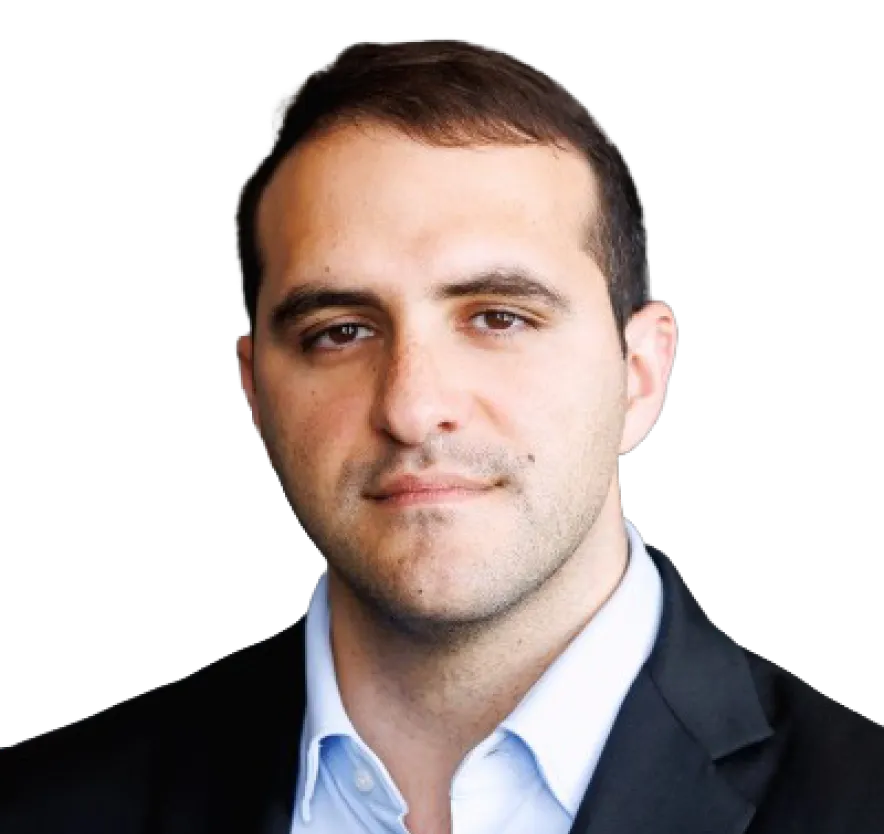
“Reports from the OECD, the BIS, and the World Economic Forum converge on the view that tokenisation can reduce operational frictions, enhance traceability, facilitate faster settlement, and broaden access for investors — provided that a clear legal framework exists governing property rights, custody, compliance, and dispute resolution.”
Jorge Jraissati President, Economic Inclusion Group
Furthermore, Garrido contends that tokenisation is a key benefit because it significantly reduces the number of intermediaries involved. By digitising the issuance, registration, and trading of assets, the costs associated with structuring investments are expected to decrease, as are settlement times. This opens the way for a model in which companies can raise capital directly from a global community of investors, without relying exclusively on traditional financial structures or complex international intermediation.
Cashea is the leading "Buy Now, Pay Later" (BNPL) app in Venezuela, underscores the potential that financial technology companies have to strengthen financial inclusion in Venezuela and stands as a compelling illustration of tokenisation in practice because the platform enables users to make purchases on an installment basis through an app, acquiring products and services from affiliated businesses. With over 5.2 million users, Pedro Vallenilla, the company's co-founder, has already signalled that once the requisite regulations are in place, Cashea will be amongst the first to integrate cryptocurrencies.77
In emerging markets, where the annual financing gap (the deficit between capital required and the capital available) is estimated at between US$15 and US$20 trillion, capital remains highly concentrated in the hands of a few players78. Fractional ownership models acquire strategic value, insofar as they enable investment from sectors of the economy that traditionally have had limited access to financing opportunities.
Olmos underscores that the combination of blockchain technology and tokenisation has the potential to become a pivotal factor in shaping new investment dynamics in the country.79 The transparency and traceability of transactions recorded on the blockchain constitute a further significant advantage. By logging all operations within a decentralised and immutable system, trust mechanisms are strengthened amongst investors, issuers, and market participants alike. Furthermore, Venezuela presents a particular characteristic that may favour the adoption of these technologies: the population's considerable familiarity with crypto assets. In recent years, millions of Venezuelans have turned to cryptocurrencies for payments, savings, and international transfers.80
“Venezuela possesses a favourable element that is rarely acknowledged in this context: a broad user base that already manages digital assets and stablecoins as part of daily life — not out of financial sophistication, but out of necessity. That is real adoption infrastructure. Tokenisation can do a great deal to accelerate progress, but it cannot do so in isolation; it requires the country to advance in its understanding, regulation, and adoption of these technologies.”
José Miguel Farías Fundraising Consultant
This context has given rise to a digital ecosystem that could facilitate the transition towards new forms of financing underpinned by blockchain technology. For Grasso, the progressive integration of these innovations also represents an opportunity to modernise the country's capital market and align it with global trends.
“The future of the Venezuelan market will depend largely on its ability to adapt to new forms of investment and financing. In this context, tokenisation ought not to be understood solely as a technological innovation, but rather as a new financial infrastructure capable of connecting local assets with global capital.”
José Grasso Vecchio President of the Caracas Stock Exchange (BVC)
“Any serious tokenised instrument built on Venezuelan assets must follow the inverse logic: verifiable asset, first; robust compliance structure, second; and technology as an efficiency tool, third.”
José Miguel Farías Fundraising Consultant
By reducing barriers to entry, lowering intermediation costs, and broadening access to international investors, this technology could enable Venezuelan companies to raise capital more swiftly, efficiently, and inclusively.
Beyond the current limitations of the traditional financial system, tokenisation offers the prospect of building a more open, dynamic, and competitive capital market.
“The direction is right: a market that embraces tokenisation within a modern regulatory framework can improve its settlement infrastructure, widen access to investors of varying scales, and connect with international capital flows more efficiently. The point is that technology is the means, not the end — and that in Venezuela, the prior institutional groundwork matters as much as, if not more than, the platform chosen for its implementation.”
Jorge Jraissati President, Economic Inclusion Group
Jraissati, for his part, concludes that tokenisation would translate into three concrete opportunities for the business sector.
First, tokenising economic flows linked to productive assets — for instance, rights to future revenues from oil, gas, or mining projects — which could help mobilise capital without waiting for a full reconstruction of the traditional financial system.
Second, tokenisation would allow economic exposure to capital-intensive projects to be fractionalised, opening space for co-investment amongst family offices, specialist funds, commodity traders, and actors within the Venezuelan diaspora.
Third, in the mining sector, it can serve to create far more credible traceability chains from the point of origin through to export — something of particular value in a country where gold has long been associated with opacity, illegality, and reputational risk.
The Bitfinex Securities Latin America Market Inclusion Report
Conclusion - Beyond economics
Tokenisation has the potential to precipitate the single biggest shift in capital markets since the development of the production line - removing barriers to market, and driving efficient allocation

Tokenisation has the potential to precipitate the single biggest shift in capital markets since the development of the production line - removing barriers to market, and driving efficient allocation of capital.
But it’s worth recalling the premise and earlier chapters of this report. Markets in Latin America have traditionally been ‘exclusive’ in nature and practice; the right to participate was reserved for a few. Barriers range from economic (costs) to social (connections), from access (particularly to international investors) to regulation (cumbersome and often arcane). The societal costs of this situation are more than simply economic; they include the continued under-representation of certain groups or geographies in the region’s formal economy, the side-lining of under-served communities and demographics, inhibiting their ability to participate or share in the region’s growth. Such realities extend beyond the simple ‘mis-allocation’ of capital. Ensuring a more efficient distribution of capital and equitable access to investments represent a fundamental first step towards the elimination of such inequalities.
Tokenisation represents a practical and - now - available solution, reducing barriers to entry for business creators and investors, and extending the role and benefits of the market to all sections of society.
This is the meaning and aspiration of market inclusion which, for Latin America, couldn’t be more relevant or urgent.
# # #
Copyright 2025 Bitfinex Securities El Salvador S.A. de C.V. The Bitfinex name and leaf logo are trademarks used under license. All rights reserved.
This material is being provided by Bitfinex Securities El Salvador S.A. de C.V. (“Bitfinex Securitiesˮ) for general informational purposes only. Views or opinions expressed herein may not reflect those of Bitfinex Securities as a whole and may change without prior notice. Nothing in this report constitutes investment, portfolio management, legal, accounting or tax advice, advice on trading techniques, models, algorithms, or any other schemes, or a recommendation to buy, sell or hold any asset or security, in each case, whether tokenised or not. No recommendation or advice is being given as to whether any jurisdiction, asset or security, in each case, whether tokenised or not, investment or course of action is suitable for you.
No solicitation or offer of any asset or security, in each case, whether tokenised or not, or financial promotion of any kind is being made. You should not trade in assets or securities, in each case, whether tokenised or not, unless you understand the associated risks. You should not commit funds or collateral to trading in assets or securities, in each case, whether tokenised or not that you are not prepared to lose entirely. Past performance of an asset or security, in each case, whether tokenised or not or trading strategy does not guarantee future results or returns.
This report contains forward-looking statements—statements that relate to future events or future performance—which are only projections, opinions and hypotheticals about possible future events, conditions, outcomes and results. Actual events or results may differ materially. Where indicated, information provided comes from other content providers. That information is protected by copyright owned or licensed by those content providers. Bitfinex Securities has not been involved in preparing, adopting or editing this content and does not explicitly or implicitly endorse or approve such content.
Bitfinex Securities makes no guarantees that information supplied in third-party content is accurate, complete, or timely. While Bitfinex Securities attempts to provide accurate and timely information, neither Bitfinex Securities nor any third-party content provider guarantees the accuracy, timeliness, completeness or usefulness of any newsletter content, and are not responsible or liable for any such content. All content is provided on an "as-is" basis. You may not use any of the trademarks, trade names, service marks, copyrights, or logos of Bitfinex Securities in any manner which creates the impression that such items belong to or are associated with you or are used with Bitfinex Securitiesʼ consent, and you acknowledge that you have no ownership rights in and to any of such items.
The Bitfinex Securities Latin America Market Inclusion Report
Bibliography

1. Strange, A. & Hafemeister, M. (2021) Latin America’s Fintech Boom. Available at: https://a16z.com/latin-americas-fintech-boom/ (Accessed: 15 July 2025).
2. Chu, M., Laranjeira, C. & Levindo, P. (2023) Nubank: Democratizing Financial Services. Available at: https://www.hbs.edu/faculty/Pages/item.aspx?num=58873 (Accessed: 15 July 2025).
3. Strange, A. & Hafemeister, M. (2021) Latin America’s Fintech Boom. Available at: https://a16z.com/latin-americas-fintech-boom/ (Accessed: 15 July 2025).
4. Salazar Castellanos, D. (2022) Which Startup Will Be Latin America’s 50th Unicorn? Available at: https://www.bloomberglinea.com/english/which-startup-will-be-latin-americas-50th-unicorn/ (Accessed: 15 July 2025).
5. PricewaterhouseCoopers (2024) Considering an IPO? First, understand the costs. Available at: https://www.pwc.com/us/en/services/consulting/deals/library/cost-of-an-ipo.html (Accessed: 15 July 2025).
6. Strange, A. & Hafemeister, M. (2021) Latin America’s Fintech Boom. Available at: https://a16z.com/latin-americas-fintech-boom/ (Accessed: 15 July 2025).
7. PricewaterhouseCoopers (2024) Considering an IPO? First, understand the costs. Available at: https://www.pwc.com/us/en/services/consulting/deals/library/cost-of-an-ipo.html (Accessed: 15 July 2025).
8. Singh, D. (2025) Asset Tokenisation in 2025: Concepts, Applications, and Emerging Trends. Available at: https://www.debutinfotech.com/blog/asset-tokenisation-trends/ (Accessed: 15 July 2025).
9. Inswitch (2025) Fintech and Digital Remittances: Latin America’s Pursuit to Bridge the Financial Gap. Available at: https://www.linkedin.com/pulse/fintech-digital-remittances-latin-americas-pursuit-bridge-financial-btuje/ (Accessed: 15 July 2025).
10. Strange, A. & Hafemeister, M. (2021) Latin America’s Fintech Boom. Available at: https://a16z.com/latin-americas-fintech-boom/ (Accessed: 15 July 2025).
11. World Bank Group (2020) Ease of Doing Business rankings. Available at: https://archive.doingbusiness.org/en/rankings/ (Accessed: 15 July 2025).
12. Chu, M., Laranjeira, C. & Levindo, P. (2023) Nubank: Democratizing Financial Services. Available at: https://www.hbs.edu/faculty/Pages/item.aspx?num=58873 (Accessed: 15 July 2025)
13. Strange, A. & Hafemeister, M. (2021) Latin America’s Fintech Boom. Available at: https://a16z.com/latin-americas-fintech-boom/ (Accessed: 15 July 2025).
14. Strange, A. & Hafemeister, M. (2021) Latin America’s Fintech Boom. Available at: https://a16z.com/latin-americas-fintech-boom/ (Accessed: 15 July 2025).
15. Lustig, N. (2018) An overview of neobanks in Latin America. Available at: https://www.fintechfutures.com/challenger-banks/an-overview-of-neobanks-in-latin-america/ (Accessed: 15 July 2025).
16. Salazar Castellanos, D. (2022) Which Startup Will Be Latin America’s 50th Unicorn? Available at: https://www.bloomberglinea.com/english/which-startup-will-be-latin-americas-50th-unicorn/ (Accessed: 15 July 2025).
17. Americas Market Intelligence (2020) The acceleration of financial inclusion during the COVID-19 pandemic: Bringing hidden opportunities to light. Available at: https://www.mastercard.com/news/media/j4lfhoyr/mastercard_financial_inclusion_during_covid_whitepaper_external_20201012.pdf (Accessed: 15 July 2025).
18. Americas Market Intelligence (2024) The 2024-2025 Latin America E-Commerce Blueprint. Available at: https://paymentscmi.com/latin-america-ecommerce-blueprint-market-data/ (Accessed: 15 July 2025).
19. FinteChile (2024) ¿Cómo están avanzando las regulaciones fintech en Chile, Colombia, México y Perú? Available at: https://www.fintechile.org/noticias/como-estan-avanzando-las-regulaciones-fintech-en-chile-colombia-mexico-y-peru/ (Accessed: 15 July 2025).
20. FinteChile (2024) Las ventajas y barreras que presenta Chile para atraer a las fintech extranjeras. Available at: https://www.fintechile.org/noticias/las-ventajas-y-barreras-que-presenta-chile-para-atraer-a-las-fintech-extranjeras/ (Accessed: 15 July 2025).
21. TMF Group (2023) Los 10 desafíos principales al hacer negociosen Brasil en 2023. Available at: https://www.tmf-group.com/es-co/noticias-perspectivas/articulos/hacer-negocios-en/desafios-principales-brasil/ (Accessed: 15 July 2025).
22. Altios (2024) IED en Brasil: Guía para inversores internacionales. Available at: https://altios.com/es-es/publicacion/inversion-extranjera-directa-en-brasil-para-inversores-internacionales/ (Accessed: 15 July 2025).
23. Based on an interview conducted with Bitfinex Securities in May 2025.
24. PricewaterhouseCoopers (2024) Considering an IPO? First, understand the costs. Available at: https://www.pwc.com/us/en/services/consulting/deals/library/cost-of-an-ipo.html (Accessed: 15 July 2025).
25. Based on an interview conducted with Bitfinex Securities in May 2025.
26. Based on an interview conducted with Bitfinex Securities in May 2025.
27. Based on an interview conducted with Bitfinex Securities in May 2025.
28. Trading Economices (2025) Interest Rate | America. Available at: https://tradingeconomics.com/country-list/interest-rate?continent=america/ (Accessed: 15 July 2025).
29. Based on an interview conducted with Bitfinex Securities in May 2025.
30. Six Group (2025) T+1 Settlement: Leading the Way to Efficiency. Available at: https://www.six-group.com/en/products-services/securities-services/site/lp/tplusone.html (Accessed: 11 August 2025).
31. B3 Products (2025) Credit Suisse. Available at: https://www.ubs.com/content/dam/assets/global/pt/collections/credit-suisse/br/documents/guia-para-atendimento-en.pdf (Accessed: 11 August 2025).
32. Bolsas y Mercados Argentinos (2025) TradingHours.com. Available at: https://www.tradinghours.com/markets/byma/ (Accessed: 11 August 2025).
33. B3 Bovespa (2025) TradingHours.com. Available at: https://www.tradinghours.com/markets/bovespa/ (Accessed: 11 August 2025).
34. Bolsa de Comercio de Santiago (2025) TradingHours.com. Available at: https://www.tradinghours.com/markets/bvs
35. Latin American Stock Exchange (2025) TradingHours.com. Available at: https://www.tradinghours.com/markets/latinex
36. Bolsa de Valores de Lima (2025) TradingHours.com. Available at: https://www.tradinghours.com/markets/bvl
37. Fundación de Investigaciones Económicas Latinoamericanas (2024) La desregulación del Mercado de Capitales en Argentina. Available at: https://www.fiel.org/publicaciones/Documentos/DOC_TRAB_1735840790864.pdf (Accessed: 15 July 2025).
38. H&CO (2023) Inversiones a corto plazo: cuáles conviene y cuándo invertir en bonos. Available at: https://www.hco.com/es/insights/inversiones-a-corto-plazo-cuales-conviene-y-cuando-invertir-en-bonos/ (Accessed: 30 July 2025).
39. Beka Credit (2025) Financiación a corto plazo o a largo plazo: ¿cuál es la mejor opción para tu empresa? Available at: https://www.bekafinance.com/beka-credit/publicaciones/beneficios-financiacion-corto-largo-plazo (Accessed: 30 July 2025).
40. Based on an interview conducted with Bitfinex Securities in May 2025.
41. Based on an interview conducted with Bitfinex Securities in May 2025.
42. Portal oficial del Estado argentino (2025) RG Final (1° etapa) Régimen de Tokenisación para Activos del Mundo Real (Real World Assets). Available at: https://www.argentina.gob.ar/noticias/rg-final-1deg-etapa-regimen-de-tokenisacion-para-activos-del-mundo-real-real-world-assets/ (Accessed: 15 July 2025).
43. TMF Group (2023) Los 10 desafíos principales al hacer negociosen Brasil en 2023. Available at: https://www.tmf-group.com/es-co/noticias-perspectivas/articulos/hacer-negocios-en/desafios-principales-brasil/ (Accessed: 15 July 2025).
44. América Retail (2024) Brasil, oportunidades y desafíos para las start-ups tecnológicas extranjeras. Available at: https://america-retail.com/paises/brasil/brasil-oportunidades-y-desafios-para-las-start-ups-tecnologicas-extranjeras/ (Accessed: 15 July 2025).
45. Pedro Barroso do Nascimento, J. (2024) La Evolución del Mercado de Capitales en Brasil. Available at: https://www.iimv.org/wp-content/uploads/2024/12/05REV73-LA-EVOLUCION-DEL-MERCADO-DE-CAPITALES-EN-BRASIL.pdf (Accessed: 15 July 2025).
46. ANBIMA (2023) Coletiva de Fundos de Investimento. Available at: https://www.anbima.com.br/data/files/16/C5/32/4B/B63FC8108856BDC8EA2BA2A8/PPT_Coletiva%20de%20Fundos_2023.pdf (Accessed: 15 July 2025).
47. Pedro Barroso do Nascimento, J. (2024) La Evolución del Mercado de Capitales en Brasil. Available at: https://www.iimv.org/wp-content/uploads/2024/12/05REV73-LA-EVOLUCION-DEL-MERCADO-DE-CAPITALES-EN-BRASIL.pdf (Accessed: 15 July 2025).
48. Based on an interview conducted with Bitfinex Securities in May 2025.
49. Finnosummit (2024) El mercado Fintech en Chile demuestra su crecimiento sostenido y se consolida con más de 485 empresas entre locales y extranjeras. Available at: https://www.finnosummit.com/el-mercado-fintech-en-chile-demuestra-su-crecimiento-sostenido-y-se-consolida-con-mas-de-485-empresas-entre-locales-y-extranjeras/ (Accessed: 30 July 2025).
50. Huerta, E. (2025) Listas las nuevas reglas para el arribo de pymes al mercado bursátil. Available at: https://www.eleconomista.com.mx/mercados/listas-nuevas-reglas-arribo-pymes-mercado-bursatil-20250121-743059.html (Accessed: 15 July 2025).
51. Santiago, J. (2023) La falta de cultura financiera limita el crecimiento de la Bolsa de valores en México: Expertos. Available at: https://www.eleconomista.com.mx/mercados/La-falta-de-cultura-financiera-limita-el-crecimiento-de-la-Bolsa-de-valores-en-Mexico-Expertos-20230608-0030.html (Accessed: 15 July 2025).
52. Banco de desenvolvimento da América Latina e do Caribe (2024) CIFI, Latinex e CAF fecham a primeira emissão de dívida corporativa panamenha no Euroclear Bank. Available at: https://www.caf.com/pt/presente/noticias/cifi-latinex-e-caf-fecham-a-primeira-emiss%C3%A3o-de-divida-corporativa-panamenha-no-euroclear-bank/ (Accessed: 15 July 2025).
53. Bloomberg Línea (2025) Panamá como hub financiero: la visión de Singular Wealth Management. Available at: https://www.bloomberglinea.com/brandedcontent/panama-como-hub-financiero-la-vision-de-singular-wealth-management/ (Accessed: 15 July 2025).
54. TyN Magazine (2024) Regulación de activos digitales transformaría el mercado financiero en Panamá. Available at: https://tynmagazine.com/regulacion-de-activos-digitales-transformaria-el-mercado-financiero-en-panama/ (Accessed: 15 July 2025).
55. Yangüez, B. (2025) Ley cripto: el segundo intento de la Asamblea y la postura del sector. Available at: https://www.laestrella.com.pa/economia/ley-cripto-el-segundo-intento-de-la-asamblea-y-la-postura-del-sector-HB12134416/ (Accessed: 15 July 2025).
56. World Bank Group (2024) World Bank Supports Peru’s Efforts to Promote a More Productive Economy. Available at: https://www.worldbank.org/en/news/press-release/2024/08/09/world-bank-supports-peru-s-efforts-to-promote-a-more-productive-economy/ (Accessed: 15 July 2025).
57. Salazar Castellanos, D. (2025) Latinoamericanos siguen alejados de inversiones en bolsa y se amplía brecha con EE.UU. Available at: https://www.bloomberglinea.com/mercados/latinoamericanos-siguen-alejados-de-inversiones-en-bolsa-y-se-amplia-brecha-con-eeuu/ (Accessed: 15 July 2025).
58. United Nations Development Programme (2025) (Still) Under the Mattress: LAC’s Incomplete Bancarization. Available at: https://www.undp.org/latin-america/blog/still-under-mattress-lacs-incomplete-bancarization/ (Accessed: 30 July 2025).
59. United Nations Development Programme (2025) (Still) Under the Mattress: LAC’s Incomplete Bancarization. Available at: https://www.undp.org/latin-america/blog/still-under-mattress-lacs-incomplete-bancarization/ (Accessed: 30 July 2025).
60. United Nations Development Programme (2025) (Still) Under the Mattress: LAC’s Incomplete Bancarization. Available at: https://www.undp.org/latin-america/blog/still-under-mattress-lacs-incomplete-bancarization/ (Accessed: 30 July 2025).
61. Herrero, S., Rubio, J. & León, M. (2025) Loans to Family and Friends and the Formal Financial System in Latin America. Available at: https://doi.org/10.3390/ijfs13030116/ (Accessed: 30 July 2025).
62. Hai, L. (2023) Lessons from Latin America’s drive to enhance financial and digital inclusion. Available at: https://www.weforum.org/stories/2023/08/lessons-from-latin-america-s-drive-to-enhance-financial-and-digital-inclusion/ (Accessed: 30 July 2025).
63. PISA (2024) How Financially Smart Are Students? Available at: https://www.oecd.org/en/publications/pisa-2022-results-volume-iv_5a849c2a-en.html (Accessed: 30 July 2025).
64. Salazar Castellanos, D. (2025) Latinoamericanos siguen alejados de inversiones en bolsa y se amplía brecha con EE.UU. Available at: https://www.bloomberglinea.com/mercados/latinoamericanos-siguen-alejados-de-inversiones-en-bolsa-y-se-amplia-brecha-con-eeuu/ (Accessed: 15 July 2025).
65. Based on an interview conducted with Bitfinex Securities in May 2025.
66. Credicorp (2025) Aumento de mujeres en el nivel avanzado de inclusión financiera en Latinoamérica. Available at: https://grupocredicorp.com/2025/03/24/mujeres-en-el-nivel-avanzado-de-inclusion-financiera-aumentan-en-latinoamerica/ (Accessed: 30 July 2025).
67. Credicorp (2025) Aumento de mujeres en el nivel avanzado de inclusión financiera en Latinoamérica. Available at: https://grupocredicorp.com/2025/03/24/mujeres-en-el-nivel-avanzado-de-inclusion-financiera-aumentan-en-latinoamerica/ (Accessed: 30 July 2025).
68. Auricchio, B., Lara, E., Mejía, D., Remicio, P., & Valdez, M. (2022) Capacidades financieras de las mujeres. Brechas de género en las encuestas de capacidades financieras de CAF: Brasil, Colombia, Ecuador y Perú. Available at: https://scioteca.caf.com/handle/123456789/1875/ (Accessed: 15 July 2025).
69. Meza Capcha, E. (2025) Menos del 50% de jóvenes ahorran regularmente y los expertos piden mejorar la educación financeira. Available at: https://www.infobae.com/peru/2025/03/23/menos-del-50-de-jovenes-ahorran-regularmente-y-los-expertos-piden-mejorar-la-educacion-financiera/ (Accessed: 15 July 2025).
70. Universidad César Vallejo (2023) Emprendimiento juvenil en Perú: desafíos y oportunidades en tiempos difíciles. Available at: https://www.ucv.edu.pe/noticias/emprendimiento-juvenil-en-peru-desafios-y-oportunidades-en-tiempos-dificiles/ (Accessed: 30 July 2025).
71. Credicorp (2024) Solo el 17% de los trabajadores informales está en un nivel avanzado de inclusión financeira. Available at: https://bancodeideascredicorp.com/noticias/solo-el-17-de-los-trabajadores-informales-esta-en-un-nivel-avanzado-de-inclusion-financiera/ (Accessed: 15 July 2025).
72. Credicorp (2024) Solo el 17% de los trabajadores informales está en un nivel avanzado de inclusión financeira. Available at: https://bancodeideascredicorp.com/noticias/solo-el-17-de-los-trabajadores-informales-esta-en-un-nivel-avanzado-de-inclusion-financiera/ (Accessed: 15 July 2025).
73. Credicorp (2024) Índice de Inclusión Financiera de Credicorp 2024. Available at: https://www.findevgateway.org/es/publicacion/2024/08/indice-de-inclusion-financiera-de-credicorp-2024/ (Accessed: 15 July 2025).
74. Dini, M. & Stumpo, G. (2019) MIPYMES en América Latina Un frágil desempeño y nuevos desafíos para las políticas de fomento. Available at: https://repositorio.cepal.org/server/api/core/bitstreams/bdf916e1-3a09-4496-b202-60d7c89cfa96/content/ (Accessed: 30 July 2025).
75. Ferraro, C. (2011) Eliminando barreras: El financiamiento a las pymes en América Latina. Available at: https://repositorio.cepal.org/server/api/core/bitstreams/7336fcfb-b028-4188-b089-68107c721da6/content/ (Accessed: 15 July 2025).
76. Marcela Hernández, C. (2024) Changes to the Digital Assets Issuance Law in El Salvador. Available at: https://gfintegrity.org/changes-to-the-digital-assets-issuance-law-in-el-salvador/ (Accessed: 15 July 2025).
77. Dojan, S. (2025) Deep Dive: Investors waiting for next big leap in AI after DeepSeek launch. Available at: https://bitmarkets.com/en/insights/article/tokenization-could-unlock-capital-in-latin-america/ (Accessed: 15 July 2025).
78. Banerjee, A., Sevillano, J., Higginson, M., Rigo, D., & Spanz, G. (2024) From ripples to waves: The transformational power of tokenising assets. Available at: https://www.mckinsey.com/industries/financial-services/our-insights/from-ripples-to-waves-the-transformational-power-of-tokenising-assets/ (Accessed: 15 July 2025)
79. Seijas Meneses, C. (2026) ‘Venezuela, a la espera de inversiones petroleras tras lograr su mejor producción en 7 años’. Available at: [https://www.swissinfo.ch/spa/venezuela%2C-a-la-espera-de- inversiones-petroleras-tras-lograr-su-mejor-producci%C3%B3n-en-7-a%C3%B1os/90831137](https:// www.swissinfo.ch/spa/venezuela%2C-a-la-espera-de-inversiones-petroleras-tras-lograr-su-mejor- producci%C3%B3n-en-7-a%C3%B1os/90831137) (Accessed: 7 May 2026).
80. Interview with José Grasso, President of the Caracas Stock Exchange (BVC). Available at: https://drive.google.com/file/d/1CkB-FquWAAi7SOwXrCeaPXZsUDVRnPMY/view (Accessed: 7 May 2026).
81. Banca y Negocios (2025) ‘Bolsa de Caracas transó casi US$690 millones con un incremento anualizado de 422,47%’. Available at: https://www.bancaynegocios.com/bolsa-de-caracas-transo-casi-us690-millones-con-un-incremento-anualizado-de-422con47-porciento/ (Accessed: 7 May 2026).
82. Ecosistema G (2025) ‘Riesgo, rally y recalibración: los inversionistas internacionales desembarcan en Venezuela en búsqueda de oportunidades’. Available at: https://ecosistemag.com/riesgo-rally-y-recalibracion-los-inversionistas-internacionales-desembarcan-en-venezuela-en-busqueda-de-oportunidades/(Accessed: 7 May 2026).
83. Bitfinex Securities (2025) ‘Latin America Market Inclusion Report – Venezuela chapter expert interview’. Interview contribution.
84. Reuters (2026) ‘US lifts sanctions on Venezuela’s interim president’. Available at: https://www.reuters.com/world/americas/us-lifts-sanctions-venezuelas-interim-president-2026-04-01/ (Accessed: 7 May 2026).
85. Venezuelan Business Dispatch (2025) ‘The Venezuelan Business Dispatch’. Available at: https://vbdispatch.substack.com/p/the-venezuelan-business-dispatch-9d8 (Accessed: 7 May 2026).
86. Reuters (2026) ‘Sweeping oil reform in Venezuela approved, operators expected to gain autonomy’. Available at: https://www.reuters.com/business/energy/sweeping-oil-reform-venezuela-approved-operators-expected-gain-autonomy-2026-01-29/ (Accessed: 7 May 2026).
87. France 24 (2026) ‘El petróleo latinoamericano gana valor estratégico ante el conflicto en Medio Oriente’. Available at: https://www.france24.com/es/programas/econom%C3%ADa/20260305-el-petr%C3%B3leo-latinoamericano-gana-valor-estrat%C3%A9gico-ante-el-conflicto-en-medio-oriente) (Accessed: 7 May 2026).
88. LNET (n.d.) ‘Global neutral non-profit organisation focused on blockchain infrastructure and ecosystem development’.
89. Cointelegraph (2025) ‘Article published on TradingView’. Available at: https://es.tradingview.com/news/cointelegraph:b482d01e009cd:0/ (Accessed: 7 May 2026).
90. ChainUp (2026) ‘Oil in 2026: Why tokenisation is transforming the global energy market’. Available at: https://www.chainup.com/blog/oil-in-2026-why-tokenisation-is-transforming-the-global-energy-market/ (Accessed: 7 May 2026).
91. Economic Inclusion Group. Available at: https://econinclusion.com (Accessed: 7 May 2026).
92. BTC Techno (2025) ‘Startup success’. Available at: https://btctechno.io/magazine/evolving/startup-success/ (Accessed: 7 May 2026).
93. PEDEX (2025) ‘Tokenisation in emerging markets: opportunities and challenges’. Available at: https://pedex.org/blog/tokenisation-emerging-markets-opportunities-challenges (Accessed: 7 May 2026).
94. France 24 (2026) ‘El petróleo latinoamericano gana valor estratégico ante el conflicto en Medio Oriente’. Available at: https://www.france24.com/es/programas/econom%C3%ADa/20260305-el-petr%C3%B3leo-latinoamericano-gana-valor-estrat%C3%A9gico-ante-el-conflicto-en-medio-oriente (Accessed: 7 May 2026).
95. IAEFD (n.d.) ‘Criptomonedas como medio de pago’. Available at: https://www.iaefd.com/Blog_Info/criptomonedas-como-medio-de-pago (Accessed: 7 May 2026).